
Architecture that disappears
We are interested in thinking about architectures that, in some way, disappear.
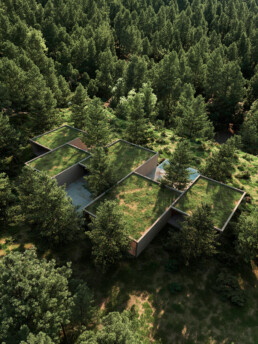
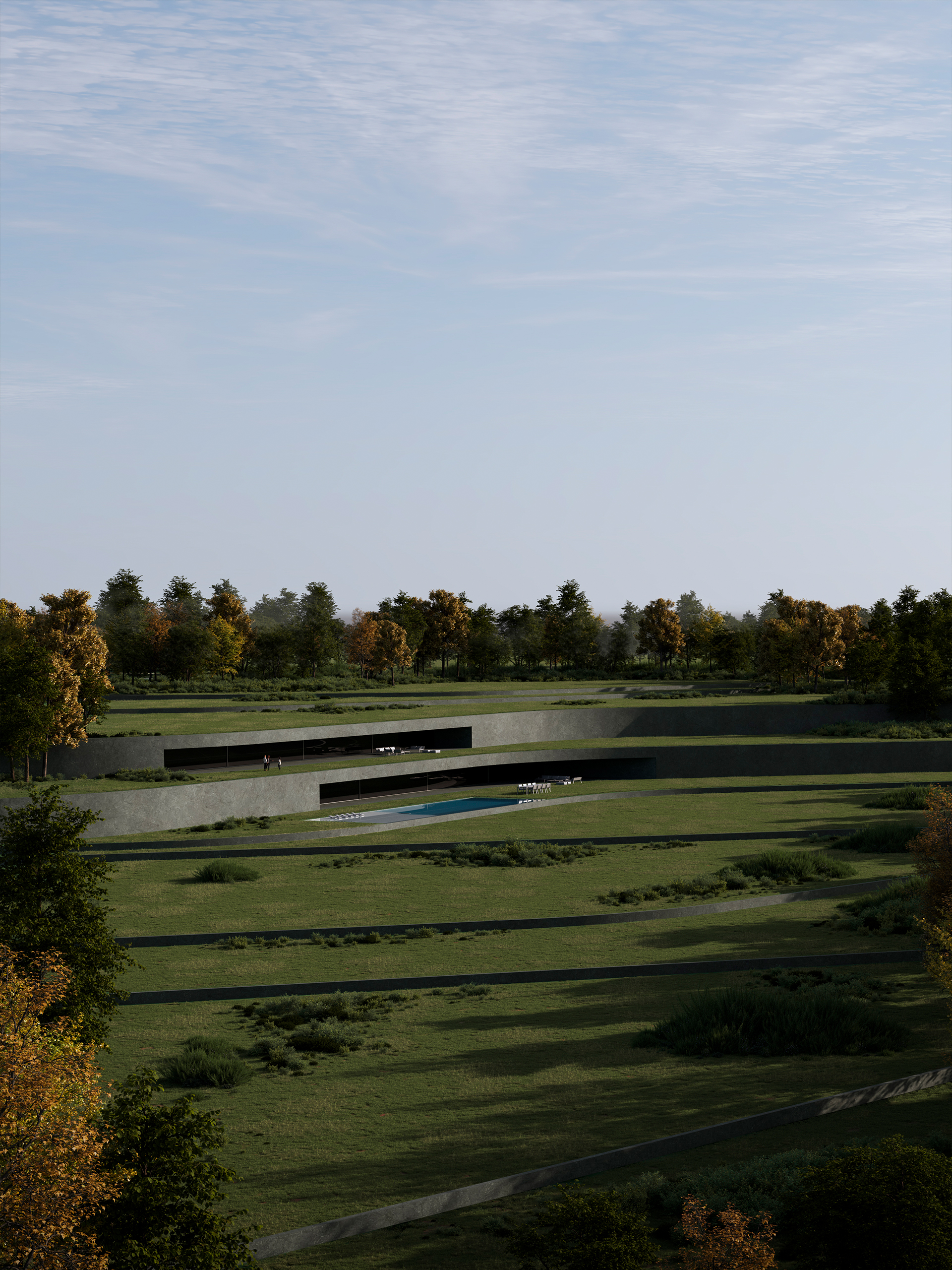
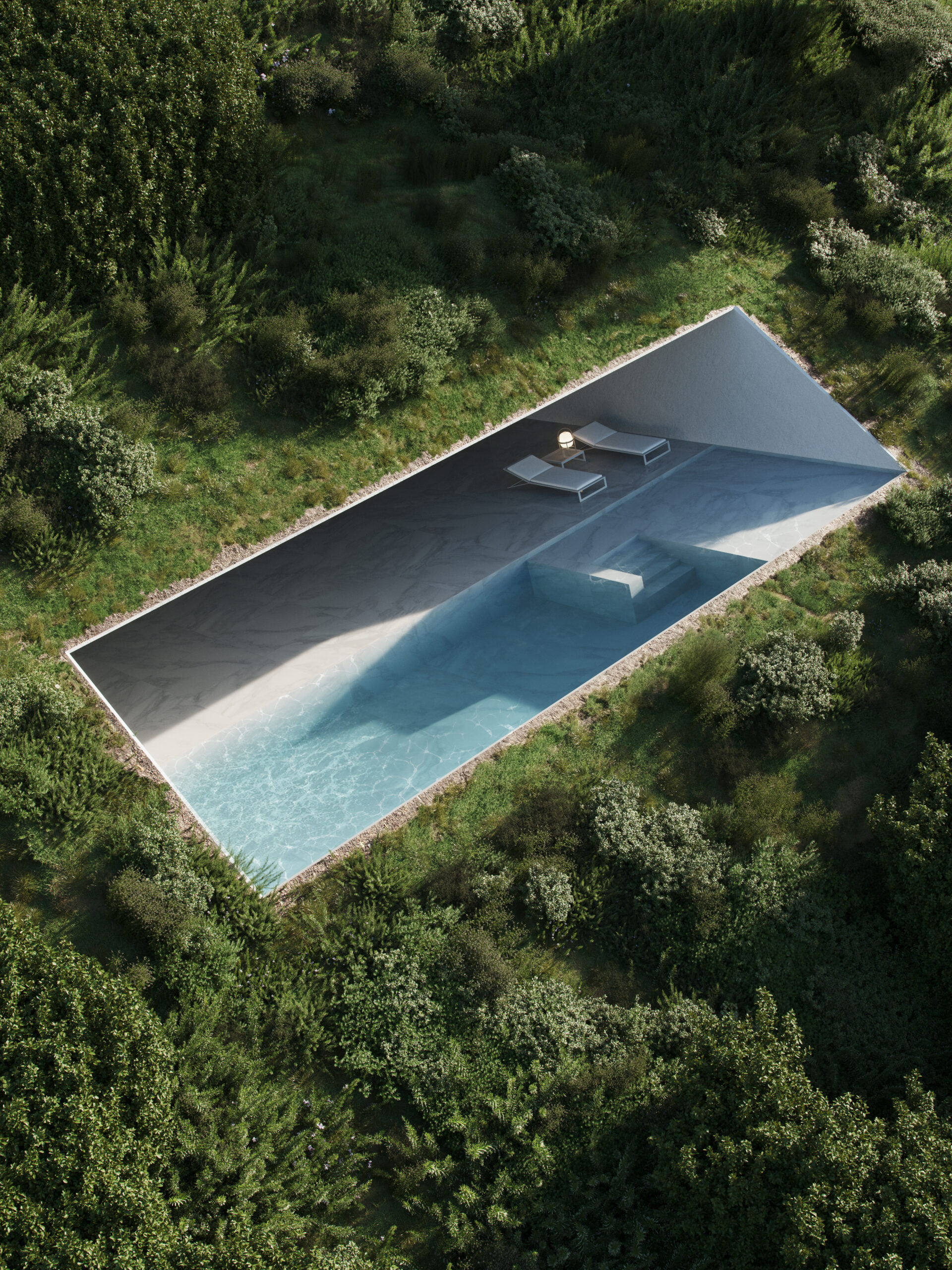
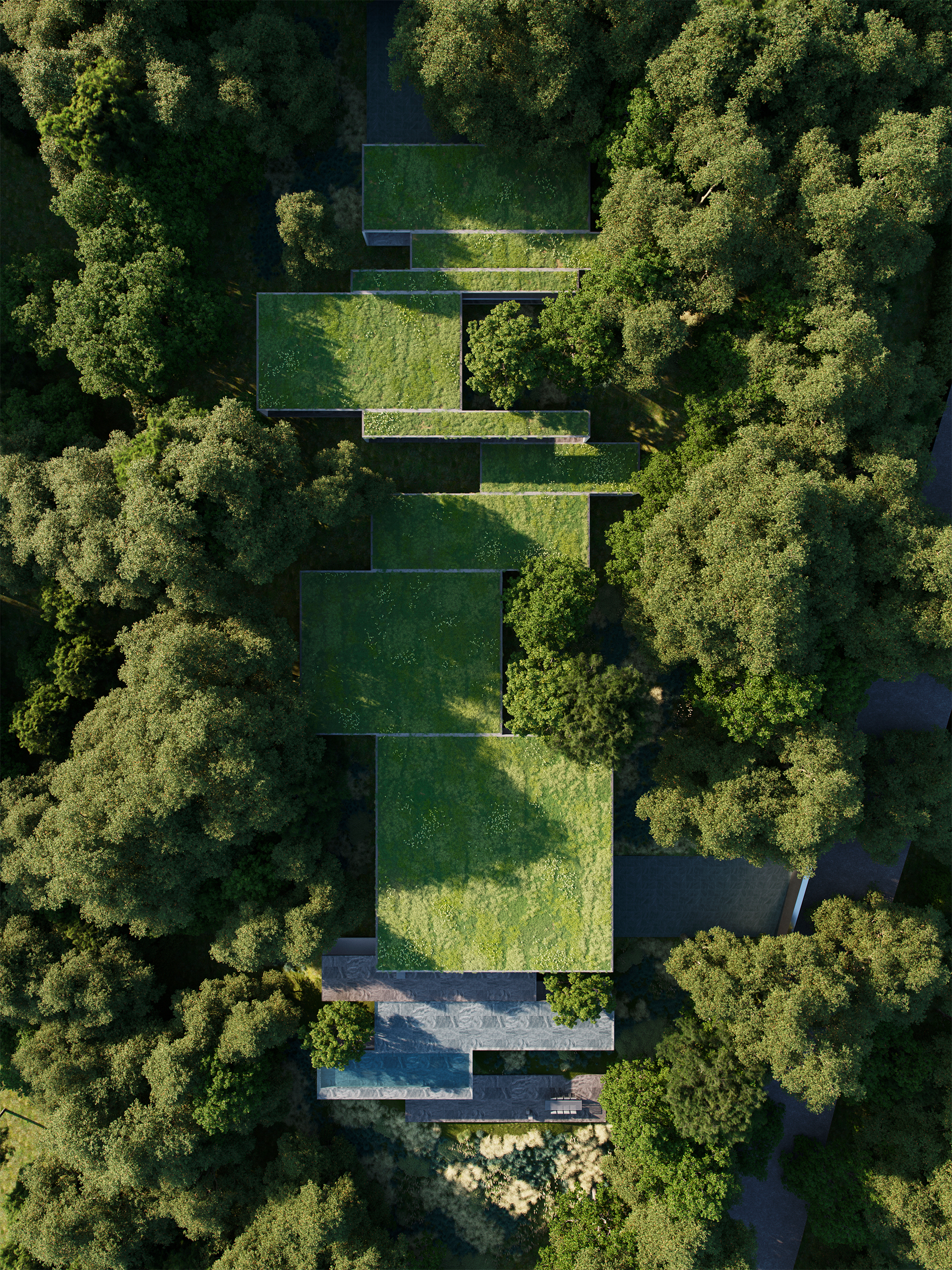
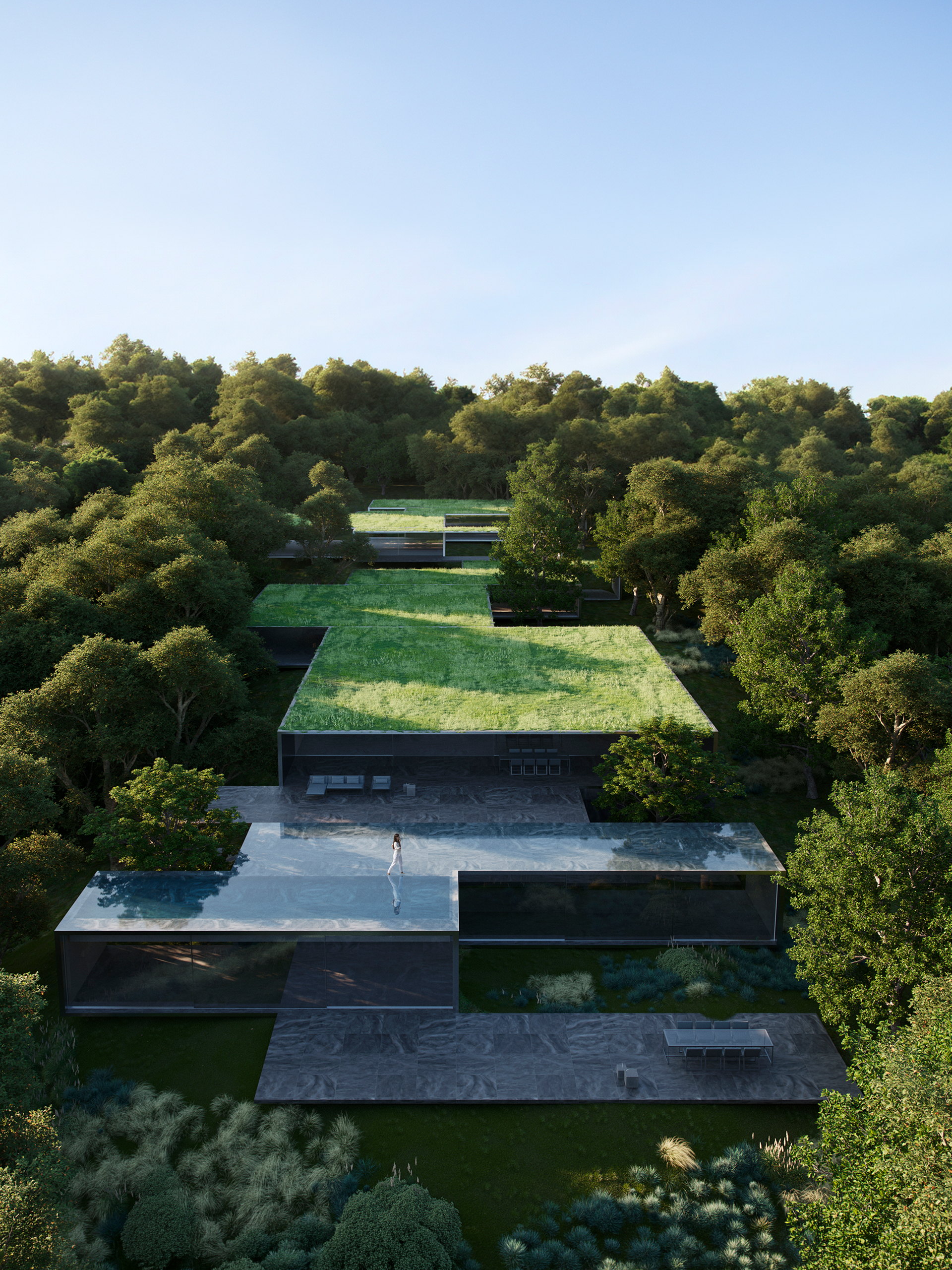
Architectures that find their place in the environment until becoming part of it. That seem to emerge from the landscape itself and adapt to its geometry, its vegetation, its light and its views, trying to alter as little as possible what already exists.
We are particularly interested in this mimetic condition, in which the very materiality of the place is incorporated into architecture until its limits almost disappear. A continuity between the built and the existing that makes architecture perceptible as something that has always belonged to that place. Sometimes disappearing means extending the landscape over a roof or using the own material of the environment.
This attitude seems especially appropriate to us in certain contexts: an architecture that does not seek to impose itself on the landscape, but to be part of it. When this happens, architecture and environment cease to be understood as two distinct realities and begin to build the same reality.
Architecture is present, but almost disappears. And perhaps it is precisely then when its relationship with the place reaches one of its purest expressions.
地址
ESPAI ALFARO
AV. ESCULTOR ANDREU
ALFARO 13
46110 GODELLA, VALENCIA
SPAIN
接触
INFO@FRANSILVESTREARQUITECTOS.COM
+34 963 81 65 61
社交网络
