
International Recognition for Architectural Restoration and Conservation of Domus – Mas Cadalt
The project Mas Cadalt has been internationally recognized after being selected as a finalist in the Premio Internacional de Restauración y Conservación de Domus Fassa Bortolo, within the Built Projects category.
This award, promoted by Fassa Bortolo together with the Department of Architecture of the University of Ferrara, has become a key international reference in the field of architectural restoration. Its aim is to recognize projects that understand conservation as a cultural act, capable of activating historical preexistences through a conscious and contemporary design approach.
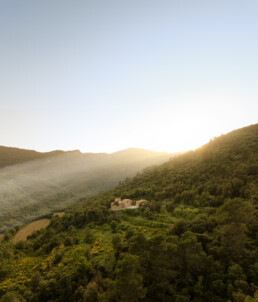
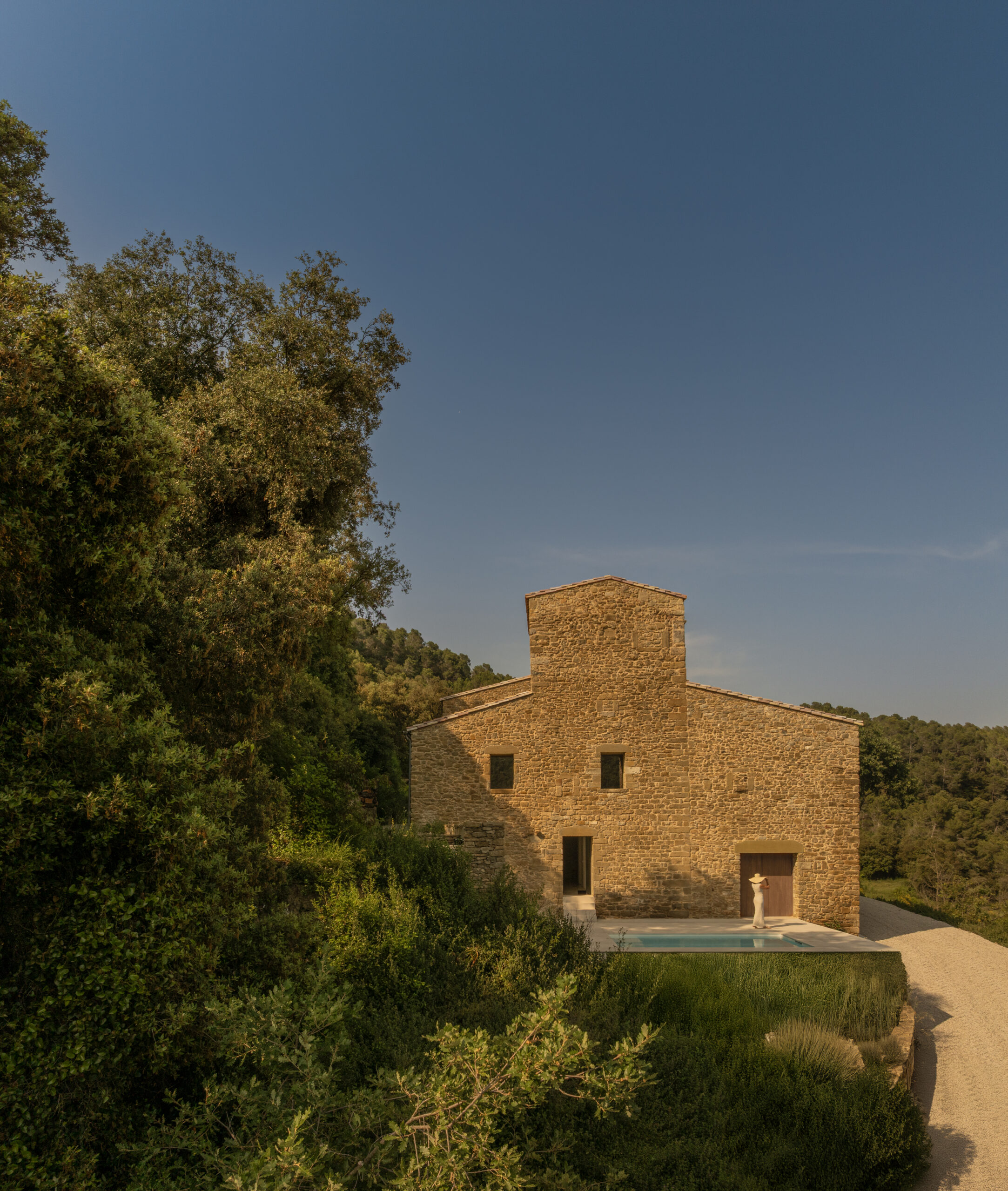
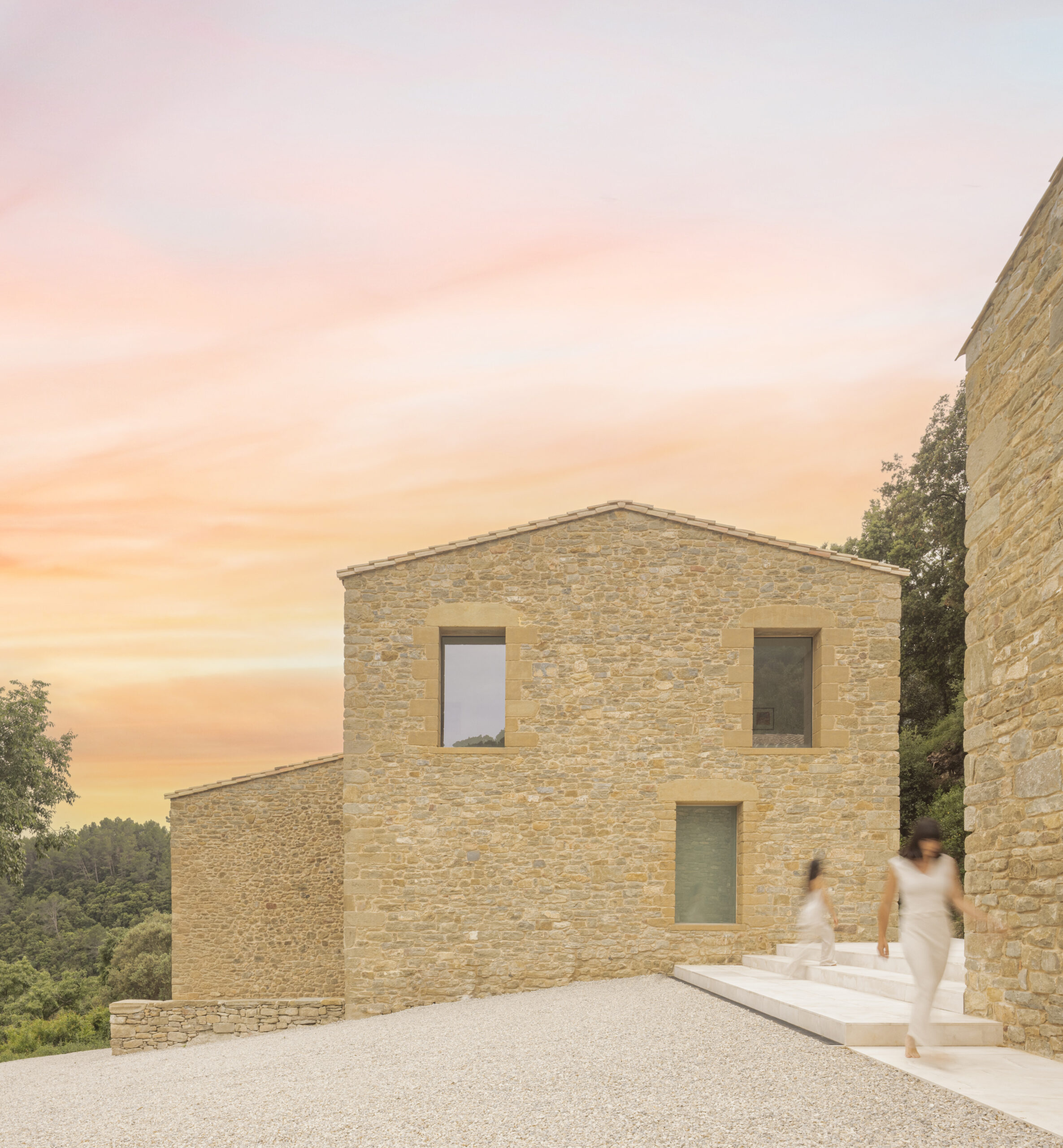
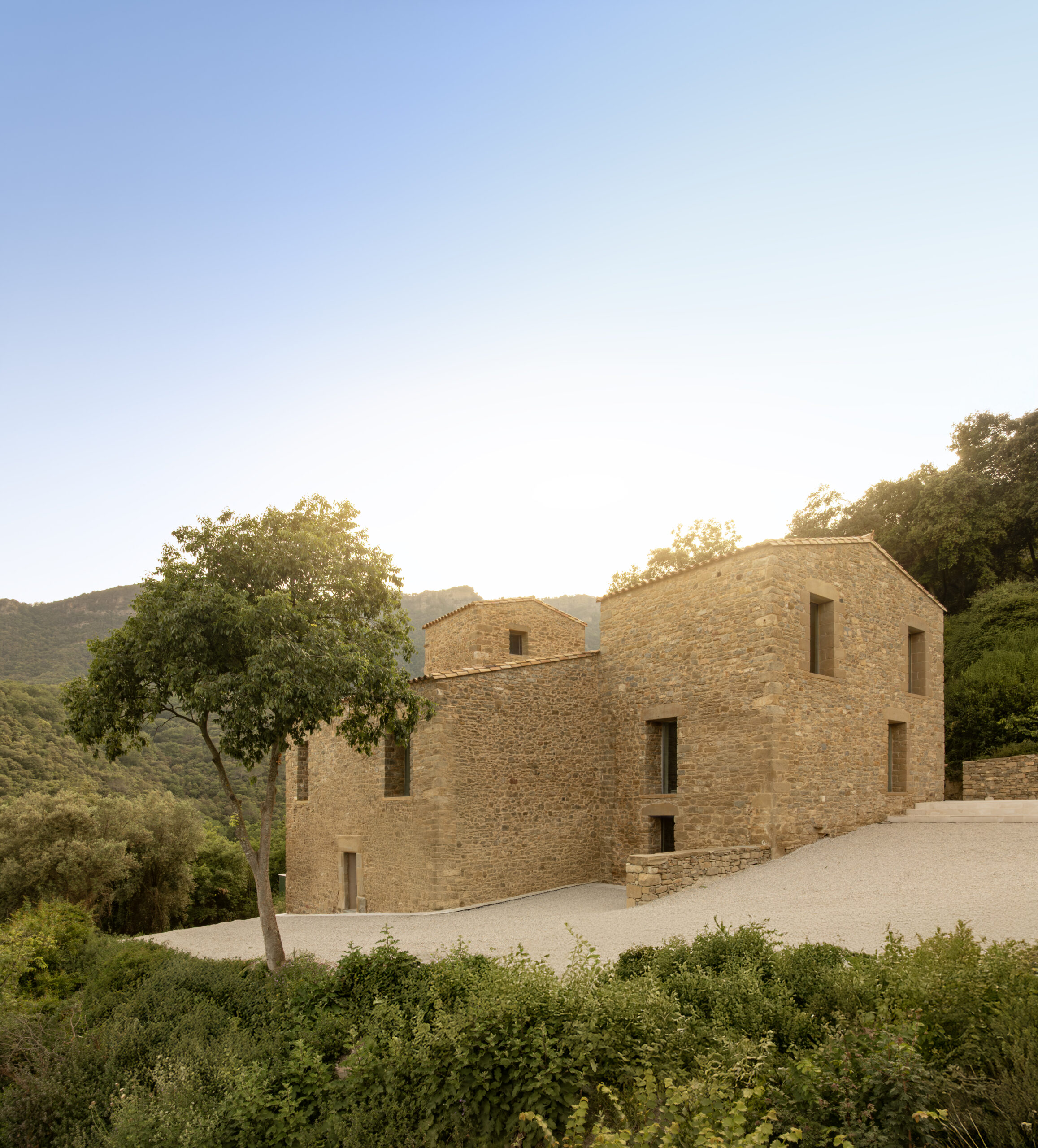
Is it possible to restore a way of life? Can it be done with the same care used to recover an ancient object? Mas Cadalt originates from this reflection: first understanding, and then intervening only where necessary. Located in the Serrat de la Cadalt landscape, the project addresses the recovery of a former farmhouse that had been abandoned, adapting it to contemporary needs without altering its essence.
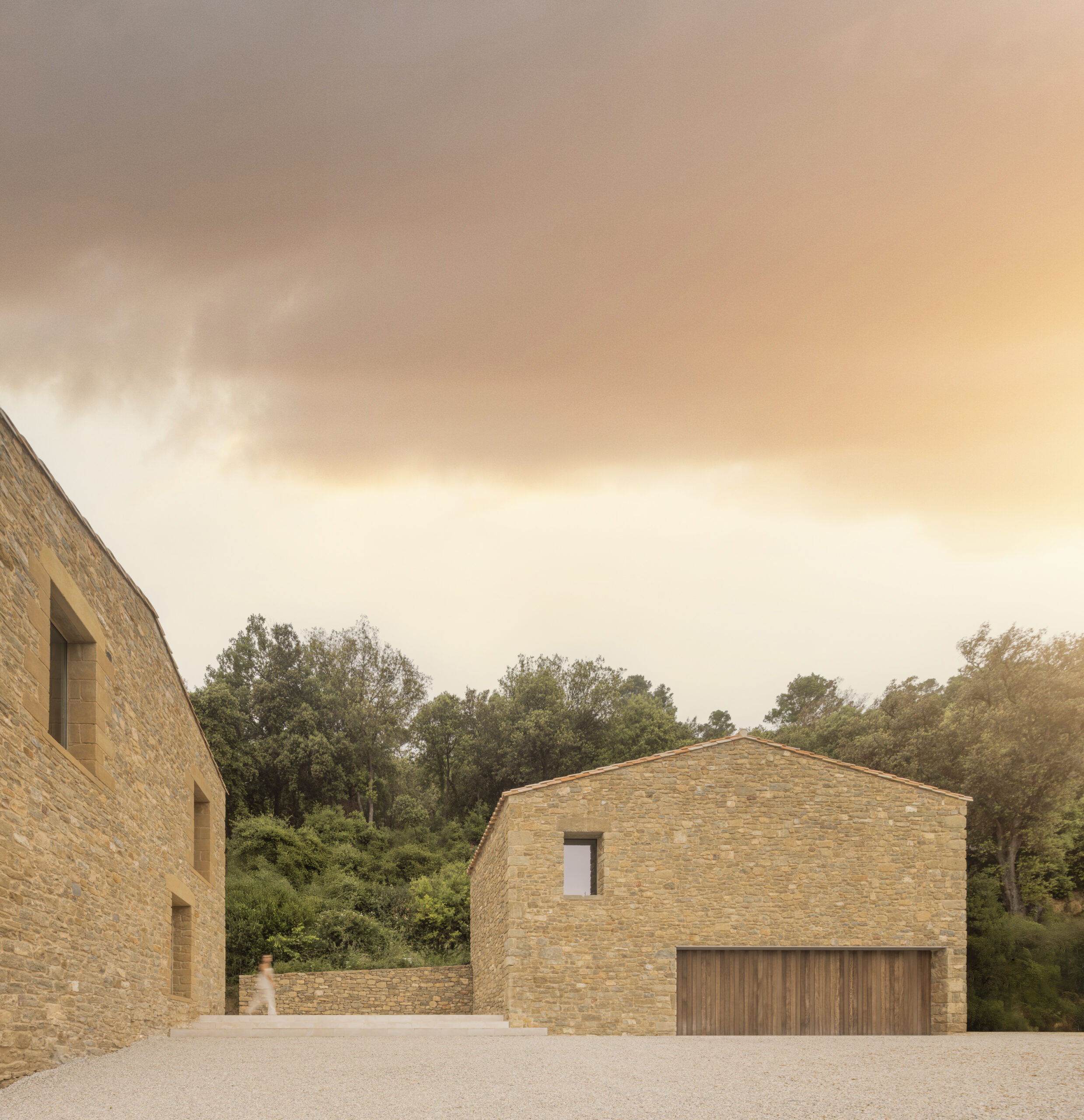
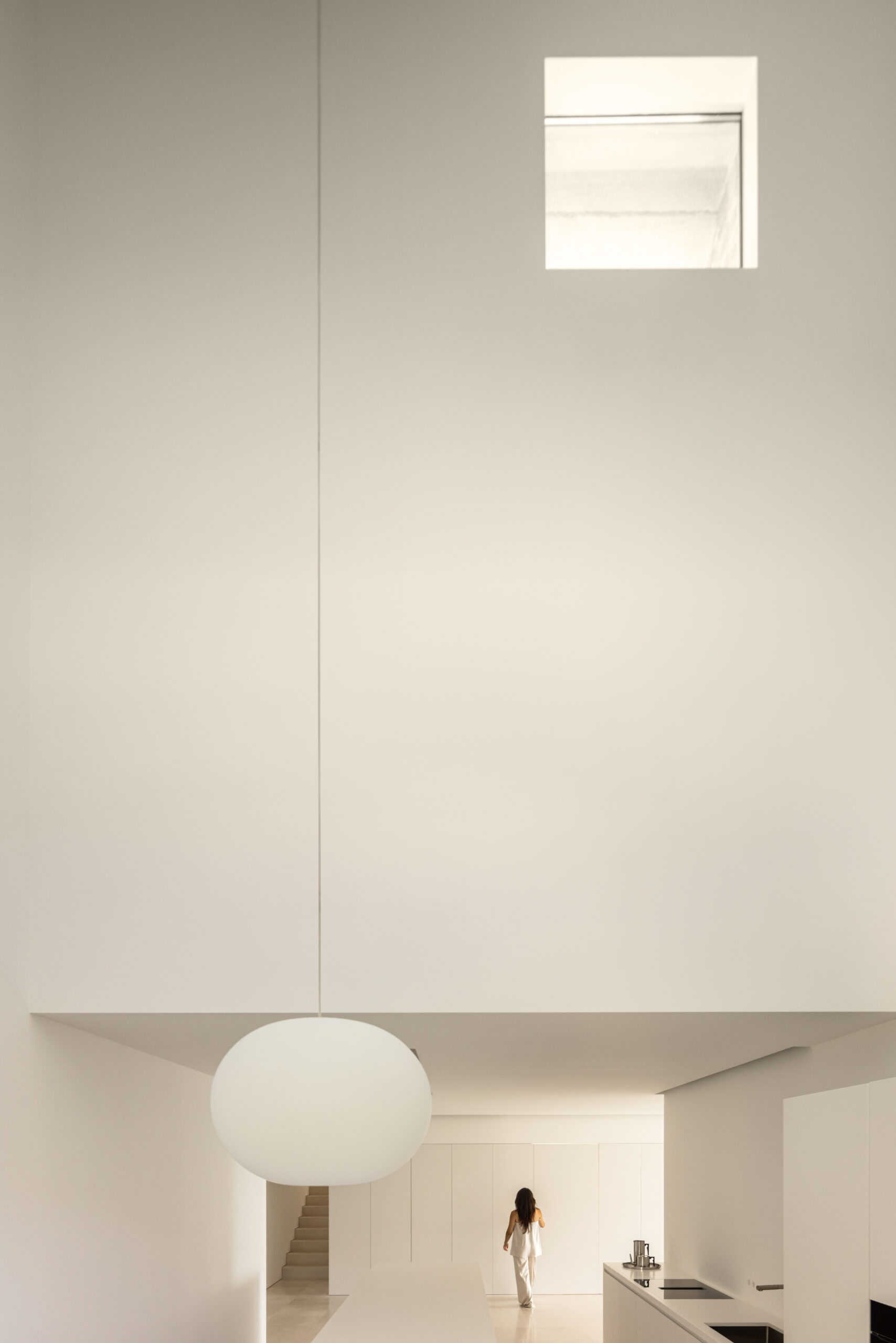
Through a reinterpretation of tradition, the original volume and typology are preserved, transforming only what is strictly necessary. Each existing space finds its correspondence within the new program, maintaining its dimensions and relationships. On the access level, the kitchen incorporates the triple-height space of the existing tower, alongside the living room oriented towards the views of the mountain range. The upper floor contains two bedrooms, while the lower level reinterprets the former animal quarters as a multipurpose space. The adjacent volume, once used for agricultural storage, is repurposed as a garage and, above, a studio from which the designer Terence Woodgate develops his work.
The intervention is based on the original construction system of load-bearing limestone masonry walls, which have been restored and complemented with contemporary solutions such as cork-based thermal insulation. A secondary inner layer enhances thermal performance, integrates building systems, and increases natural light, establishing a precise dialogue between the existing structure and the new additions.
The interior is conceived as a space suspended between architecture and product design. Decisions are reduced to the essential: elements meet at a single point, installations are flush-integrated, and material coherence avoids any superfluous gesture.
The house achieves a high degree of energy and water self-sufficiency through photovoltaic systems and specially designed water reservoirs, one of which is transformed into a small pool. The surrounding productive landscape completes this way of living, where architecture and territory operate as a unified whole.
Being selected as a finalist in this international award recognizes an approach to working with existing structures based on precision, sustainability, and respect—understanding architecture not as imposition, but as continuity.
地址
ESPAI ALFARO
AV. ESCULTOR ANDREU
ALFARO 13
46110 GODELLA, VALENCIA
SPAIN
接触
INFO@FRANSILVESTREARQUITECTOS.COM
+34 963 81 65 61
社交网络
