
The NIU project was conceived with the aim of innovating construction systems in order to increase precision in the materialization of architecture. Its purpose is to offer certainty in timelines and costs, while simultaneously enhancing the quality of human environments and making them more sustainable and healthier.
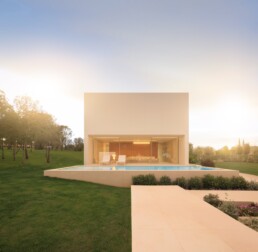
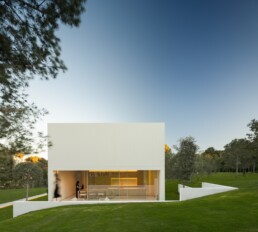
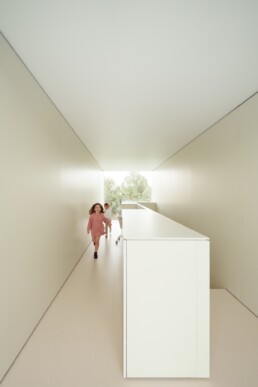
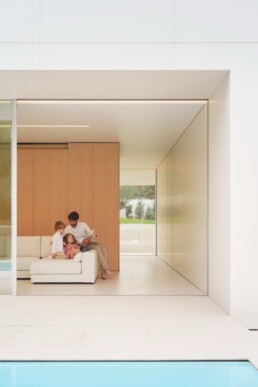
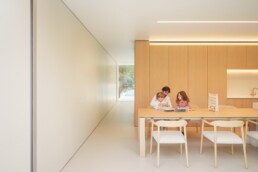
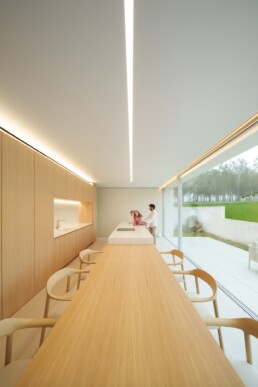
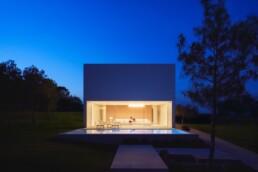
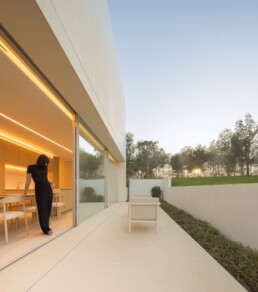
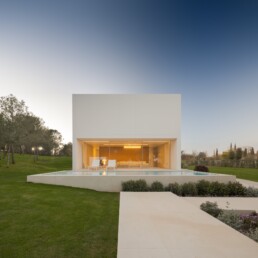
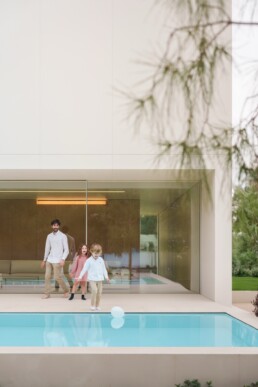
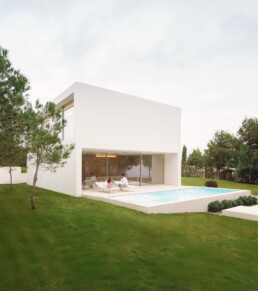
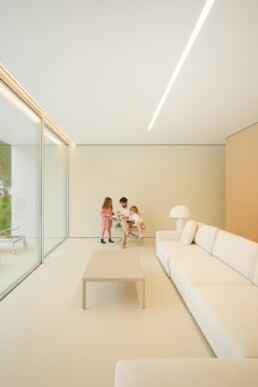
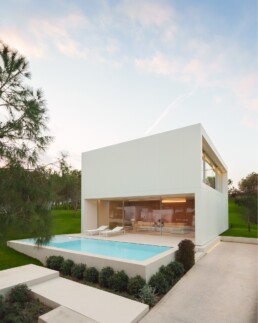
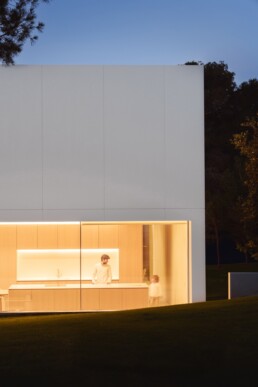
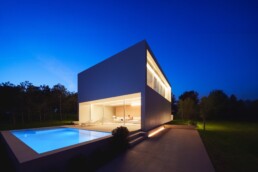
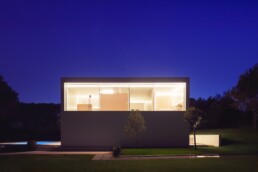
The N230 is a typology within the NIU ecosystem. It is a compact dwelling organized around two through spaces arranged perpendicularly. This geometry allows the ground floor to concentrate daytime living in two differentiated atmospheres, articulated by the circulation core and the wet areas. At the same time, the layout encourages a more natural transition toward privacy, establishing a clear separation between the daytime and nighttime zones.
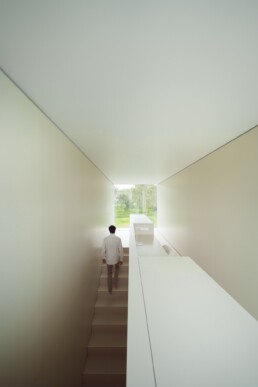
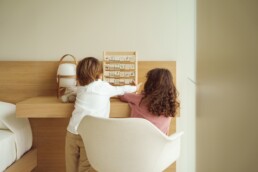
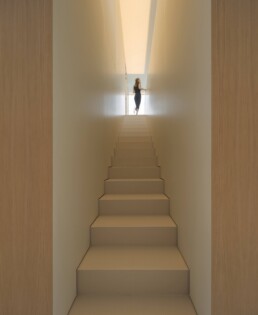
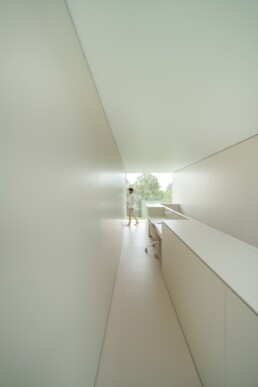
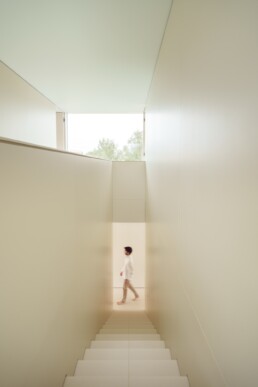
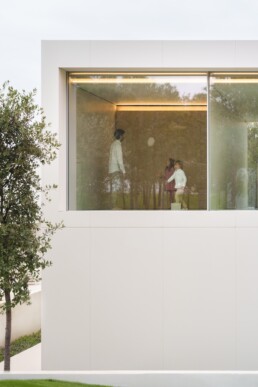
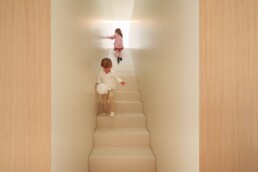
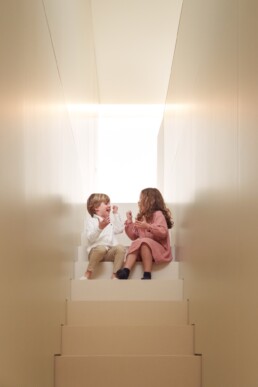
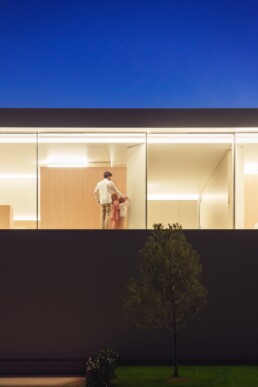
The upper floor accommodates four rooms, along with a fifth space that functions simultaneously as a distributor and a study area. The ascent via the staircase is conceived as a spatial experience: the route opens toward the exterior, turning the views into an active part of the home.
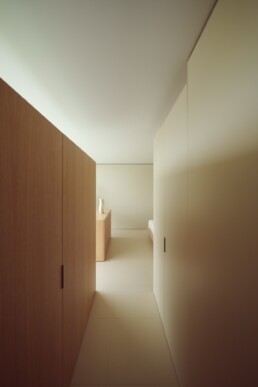
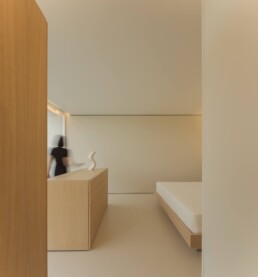
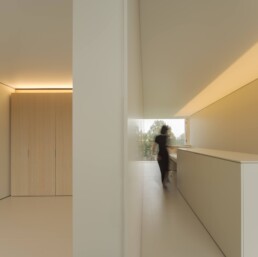
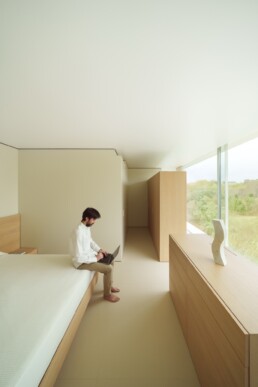
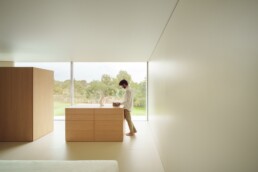
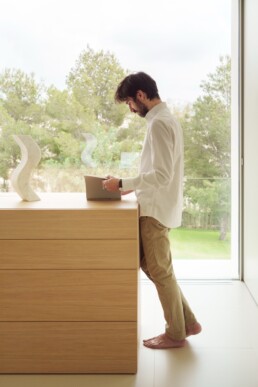
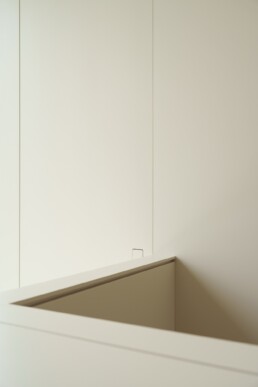
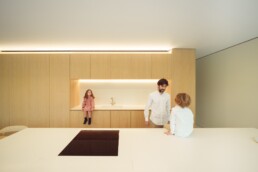
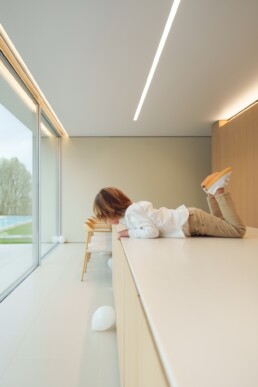
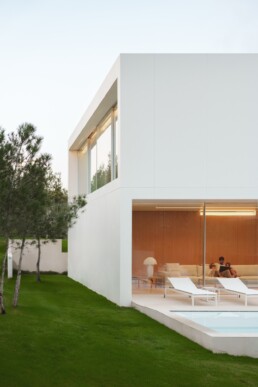
The house is conceived using a palette of warm tones, with a predominance of RAL 9016 white, while the central elements and furniture pieces are resolved through light oak paneling, providing balance and warmth.
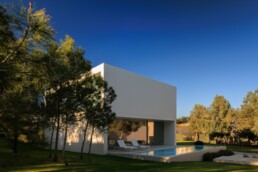
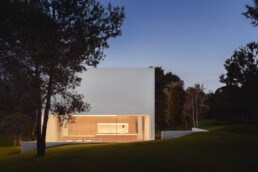
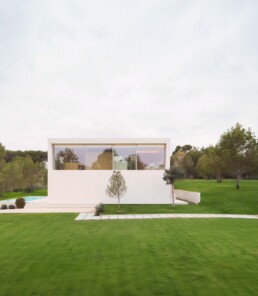
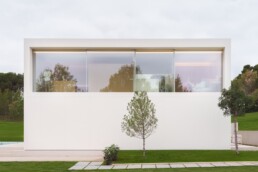
On the exterior, the envelope is executed with a ventilated solid-surface façade, a system that reduces maintenance and favors the systematization of the finish.
The ceiling is materialized through a stretched textile, a solution that allows easy access to installations and the possibility of backlighting where appropriate, reinforcing atmospheric control and the quality of interior lighting.
Structural elements requiring greater resistance are resolved in steel, while the interior is executed entirely in wood. Doors, wardrobes, kitchen, and partitions share the same system, simplifying construction management and ensuring continuous material coherence.
One of the key aspects of the NIU system is its condition as assembled architecture: it is not built, it is assembled. This allows the dwelling, at the end of its useful life—or when reconfiguration is required—not to be demolished, but dismantled for reuse. The result is a significant reduction in the carbon footprint associated with the building’s life cycle and a more efficient, circular approach.
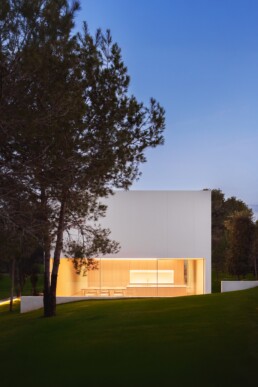
The building’s placement on the site and its adaptation to minor level changes, together with the integration of existing vegetation—which is preserved thanks to the lightness of the system and a shallow foundation—establish a direct relationship with the surroundings. This is complemented by a system of objects that accompanies everyday life and gives the project its own identity.

ADDRESS
ESPAI ALFARO
AV. ESCULTOR ANDREU
ALFARO 13
46110 GODELLA, VALENCIA
SPAIN
CONTACT
INFO@FRANSILVESTREARQUITECTOS.COM
+34 963 81 65 61
FOLLOW US
