
New project finished in Alicante: Cano House
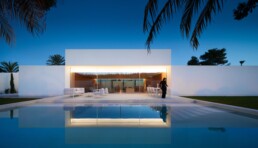
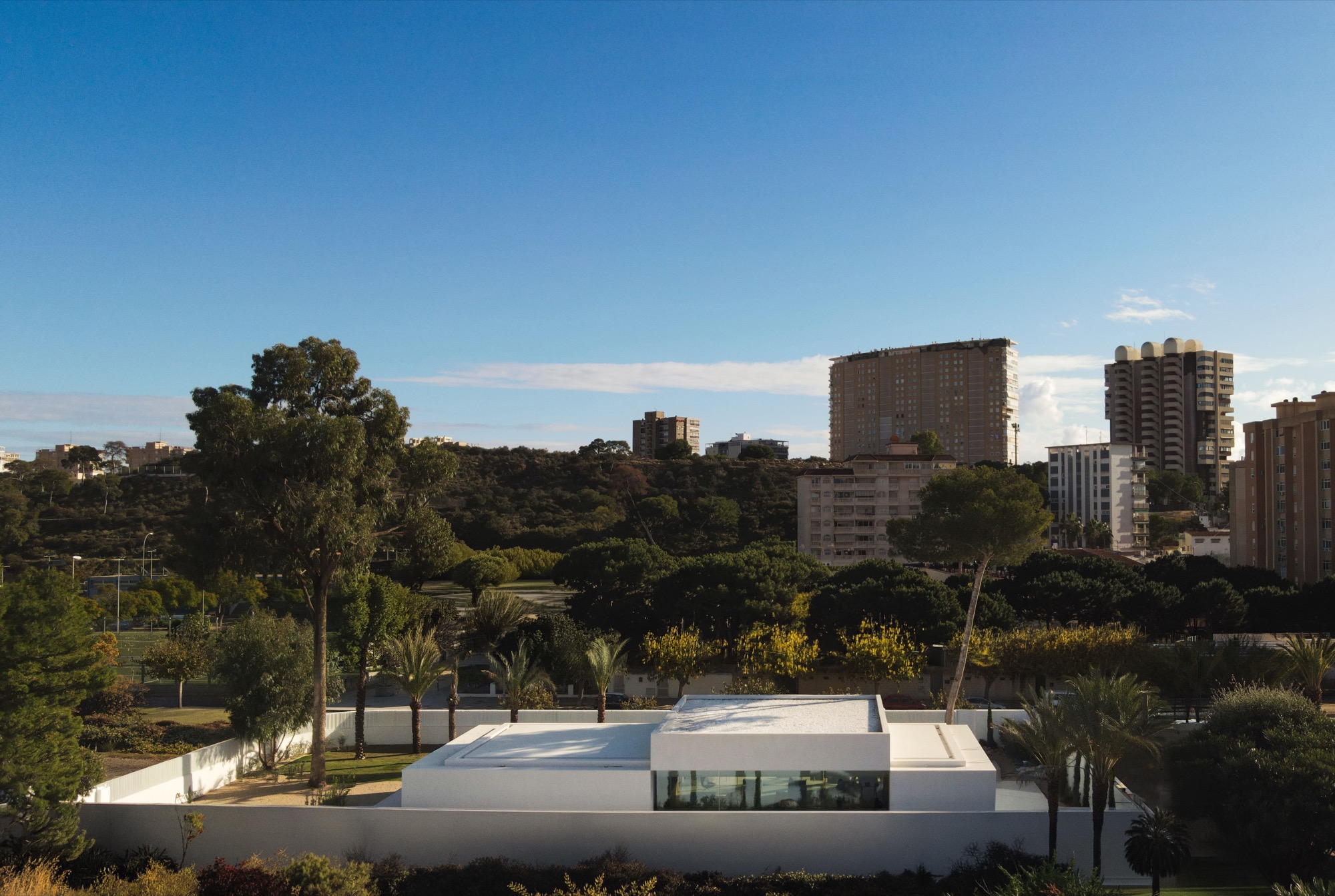
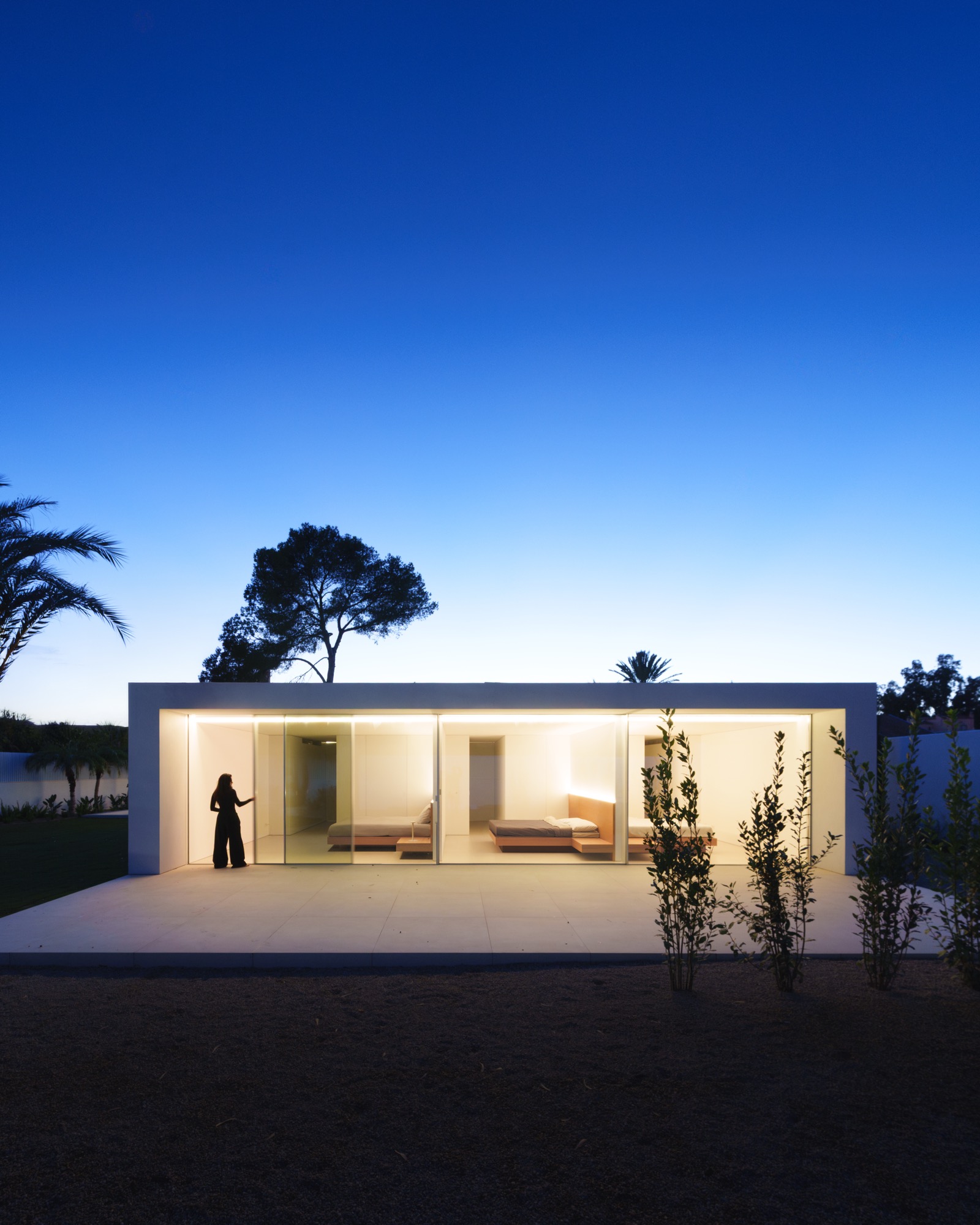
The project is articulated through the logic of the program and its placement along a main avenue in Alicante. The dwelling is organized into three clearly differentiated areas: the night zone, the day zone, and a space dedicated to training and sports practice.
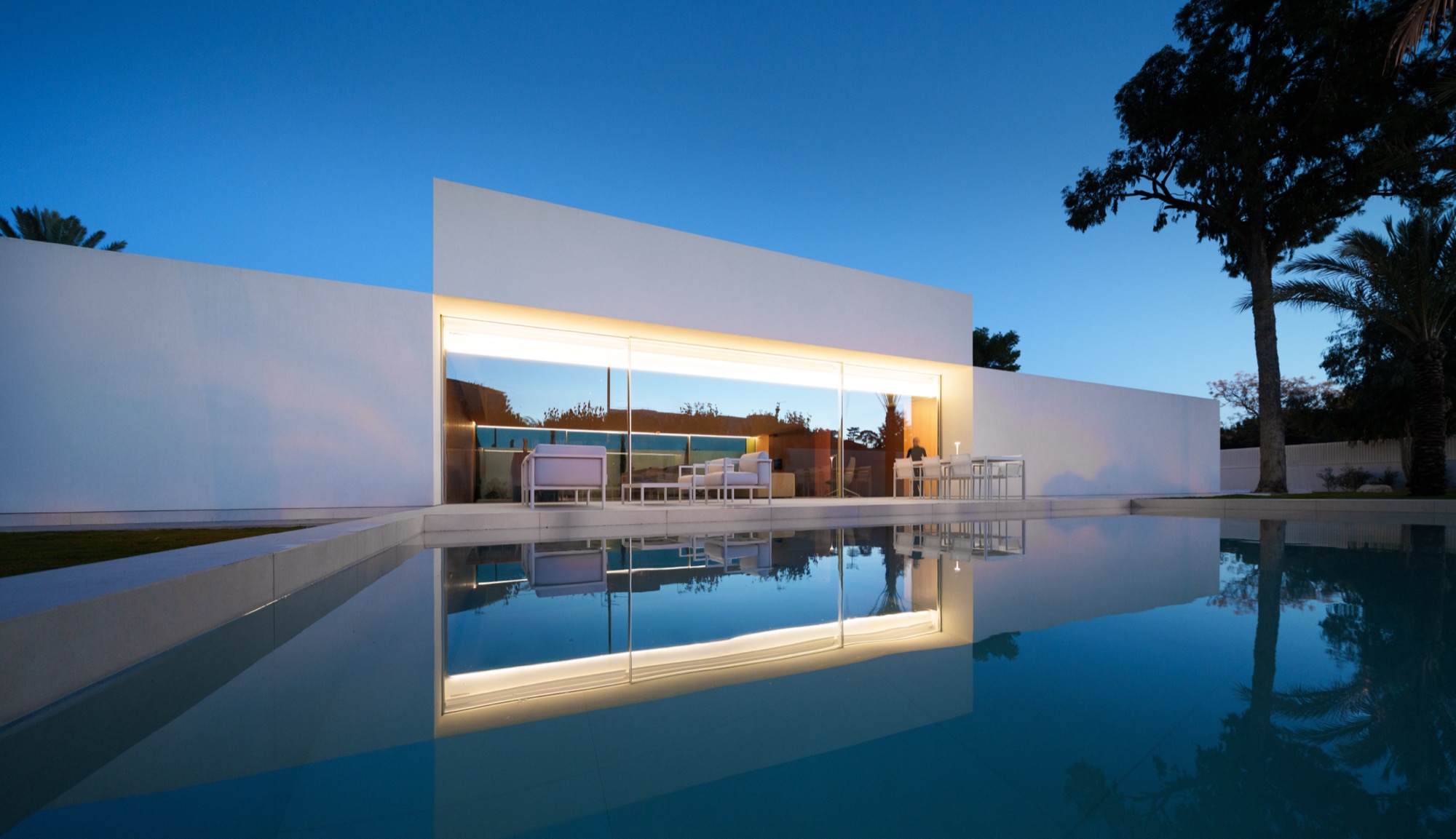
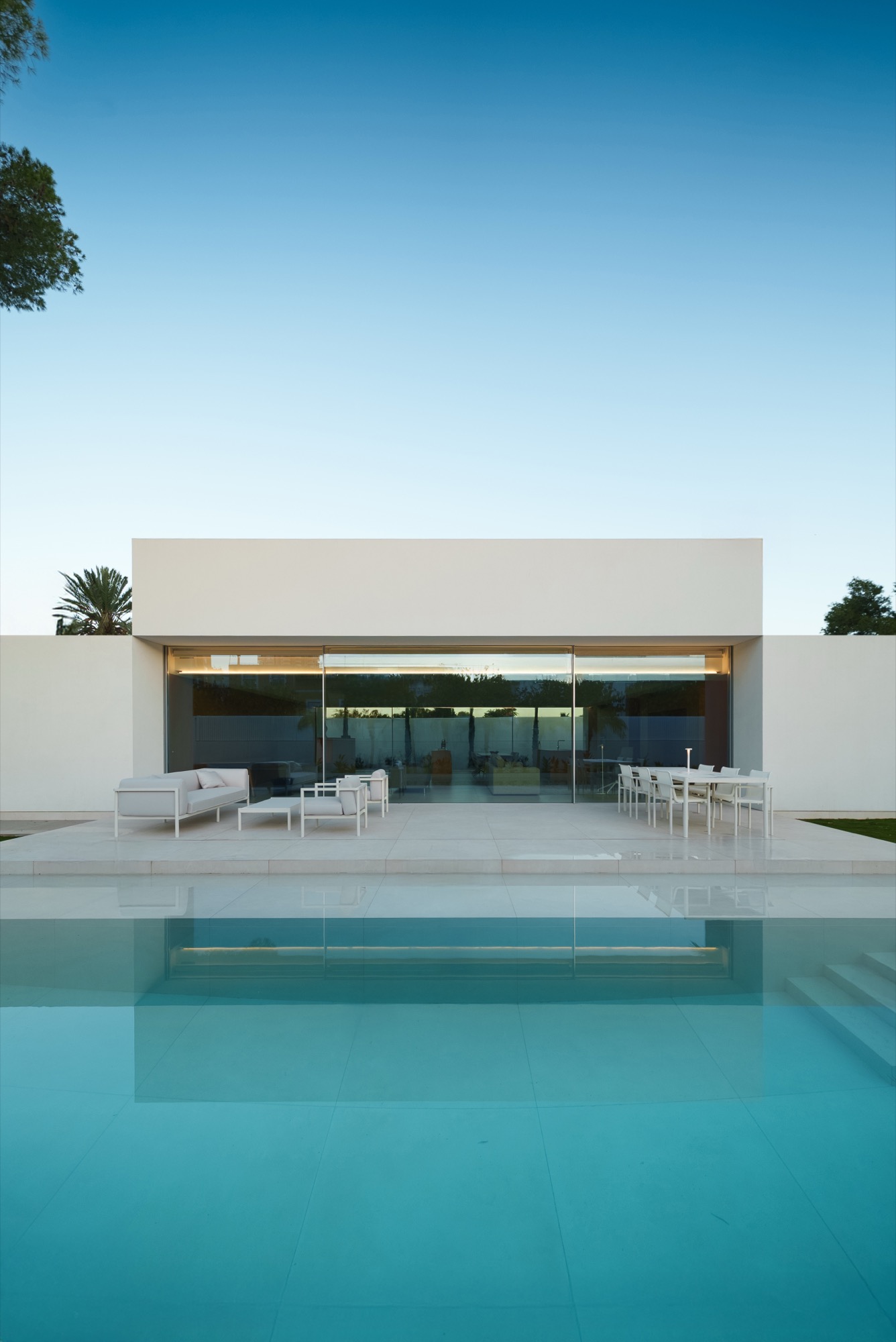
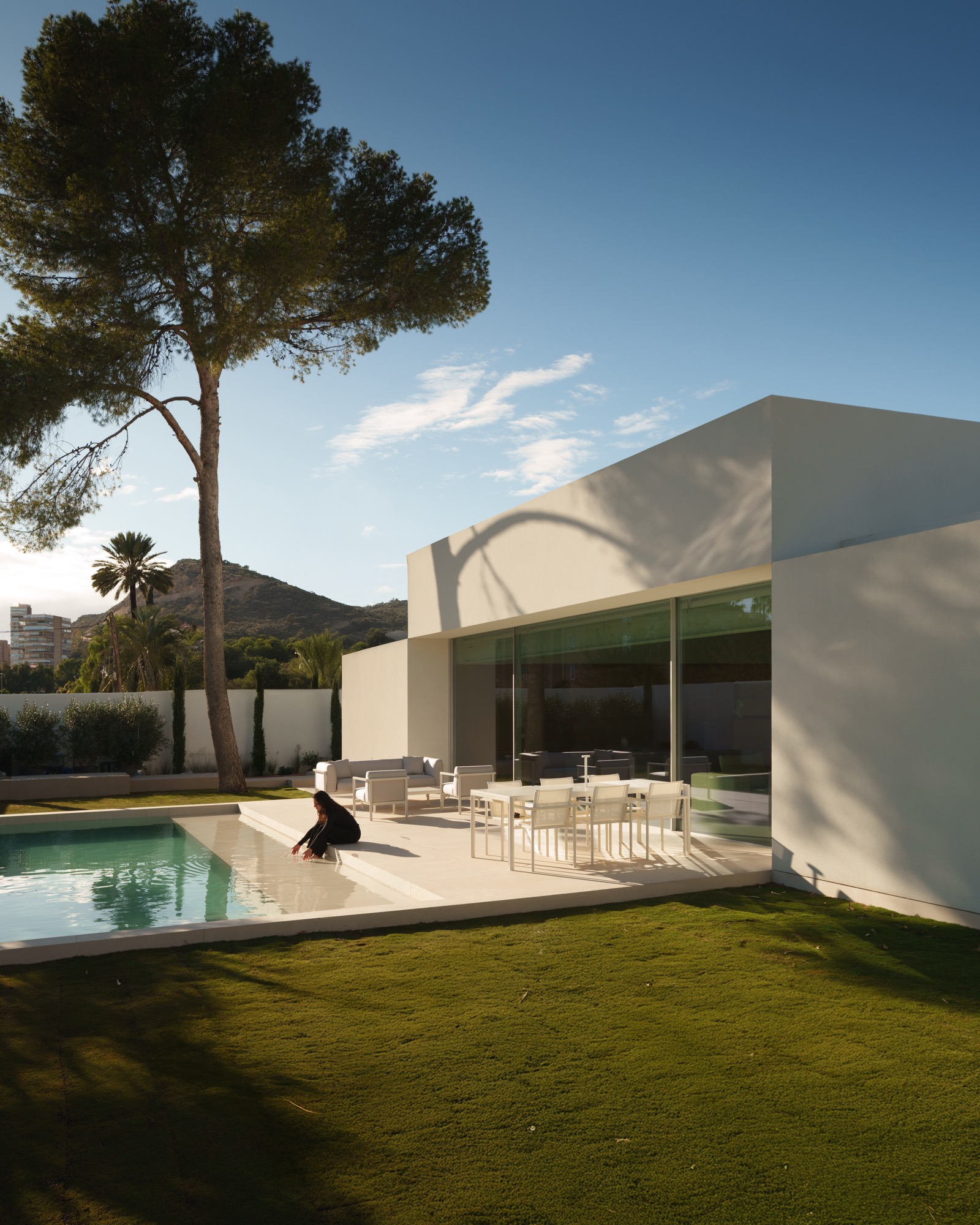
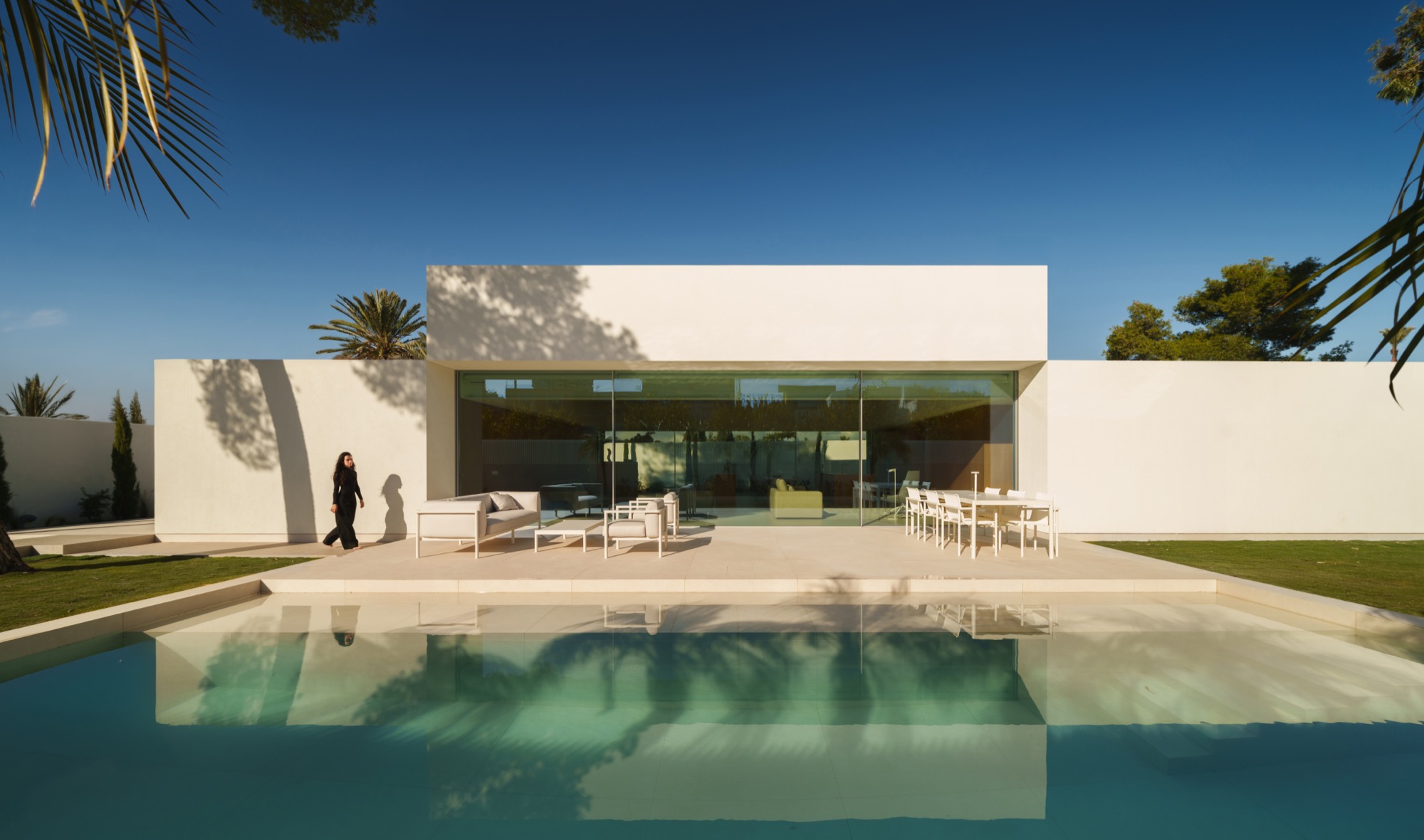
The architecture is positioned along the western edge of the plot. This displacement allows the expansion of the outdoor space associated with the living area, intensifying its relationship with the garden and the pool. At the same time, the placement preserves the existing large-scale trees, which are complemented by new plantings intended to consolidate, over time, a denser garden. The main access occurs from the eastern side, through a quieter street, thereby reinforcing the privacy of the house.
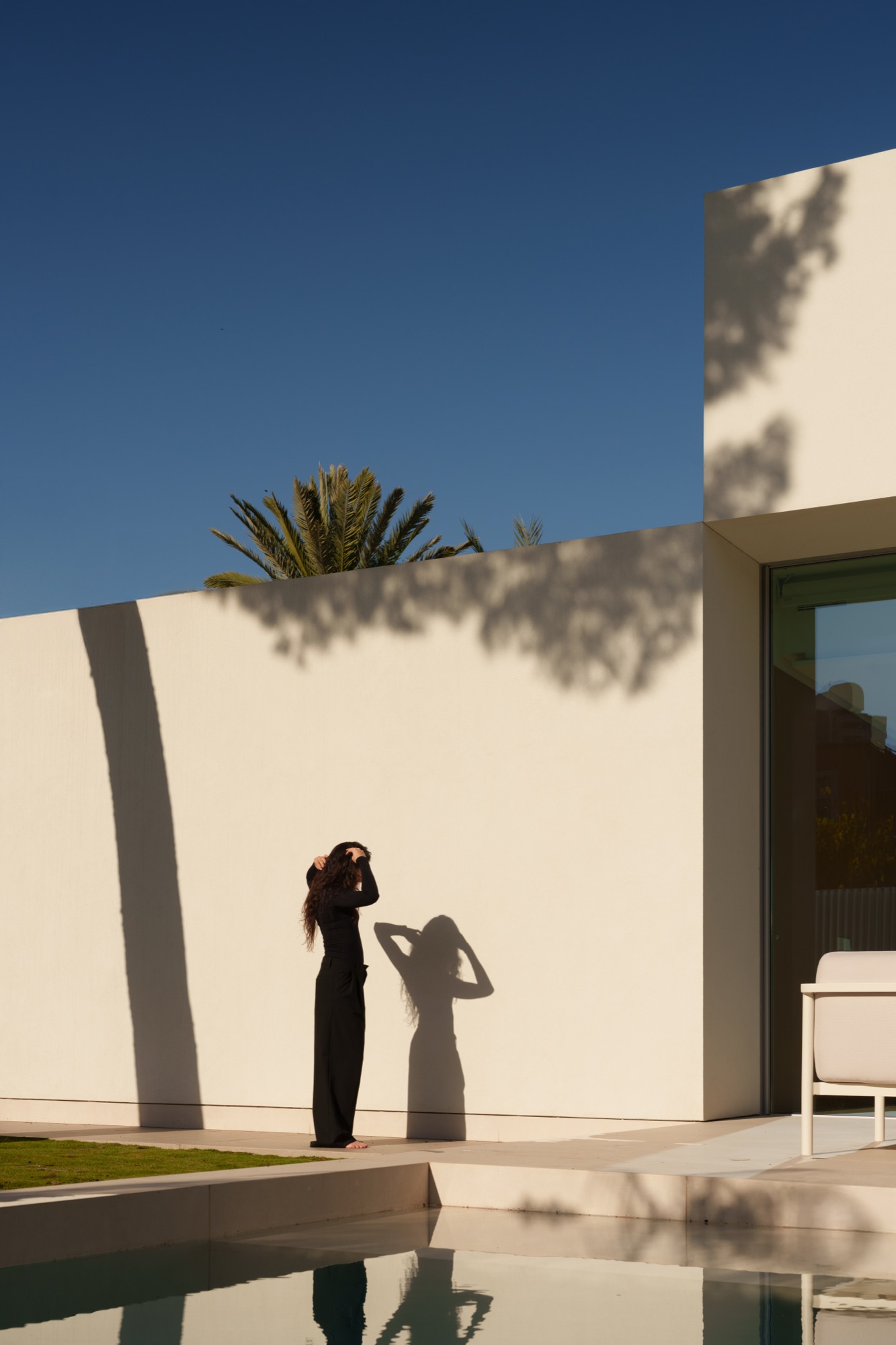
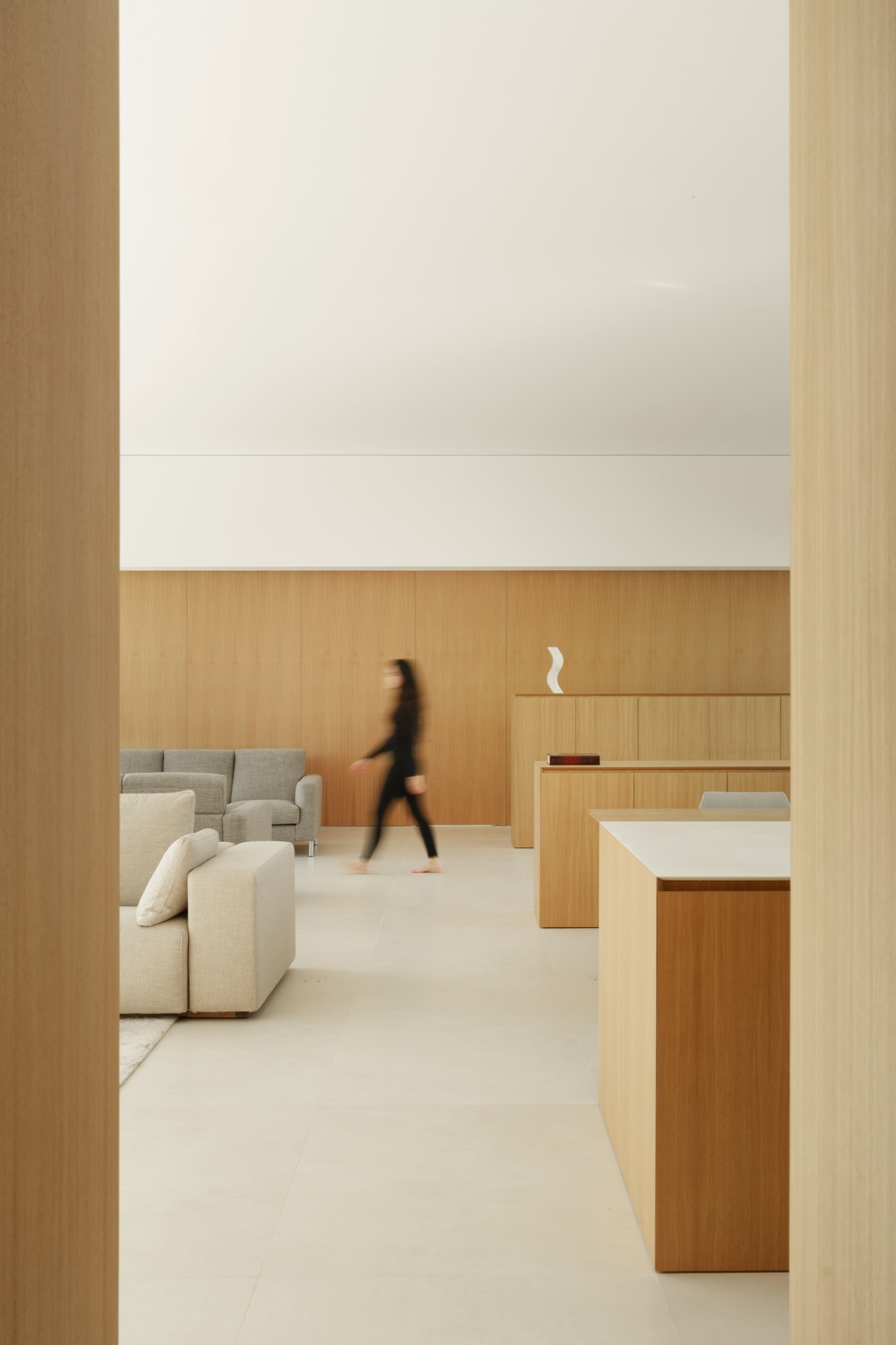
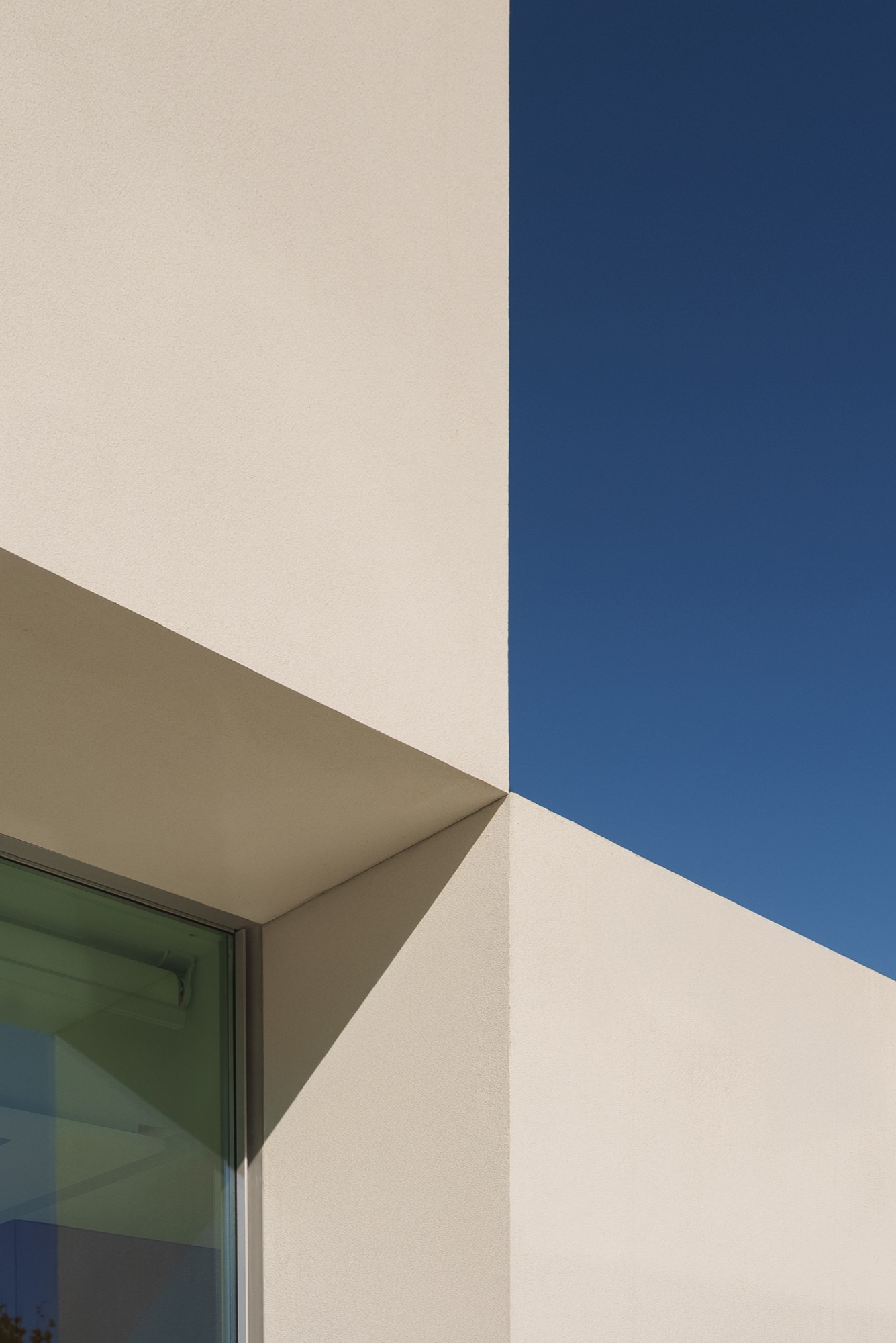
Between the day zone and the sports area, a transitional space is arranged, oriented almost north–south, which acts as a connector and promotes cross ventilation. One of the fundamental premises is to orient the night zone toward the east, ensuring its direct relationship with the morning light. A greater clear height is also pursued in the main space. The volumetry is resolved through two lower volumes between which a larger body is inserted. This latter volume, corresponding to the living area, appears to rise slightly, emphasizing its presence and giving identity to the proposal; its deep edge reinforces this condition, allowing the volume to appear as if it levitates above the space it protects. The thickness of this body allows for the integration of a deep structural system within it, enabling the main space to span its entire width without intermediate supports. The day zone is thus conceived as a continuous environment, in direct relationship with the exterior pavement and the sheet of water, dissolving the boundary between interior and exterior and reinforcing the open character of the house. Inside, the materials are resolved through a continuous and warm chromatic palette. Some vertical surfaces and furniture elements are executed in oak wood, providing texture and depth to the whole. This decision, together with the color temperature of the lighting, gives the proposal the intended domestic character.
Ultimately, this is an architecture that emerges from the place and the program, a matter as simple as it is complex to bring into reality.
地址
ESPAI ALFARO
AV. ESCULTOR ANDREU
ALFARO 13
46110 GODELLA, VALENCIA
SPAIN
接触
INFO@FRANSILVESTREARQUITECTOS.COM
+34 963 81 65 61
社交网络
