
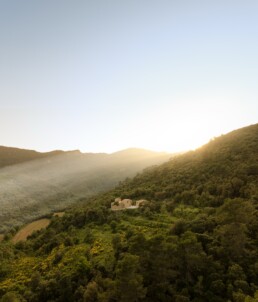
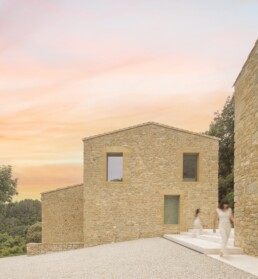
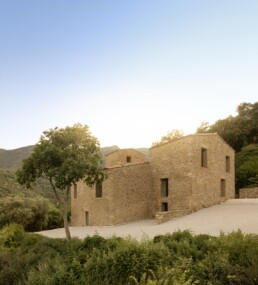
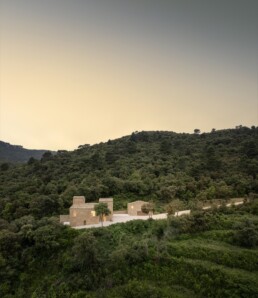
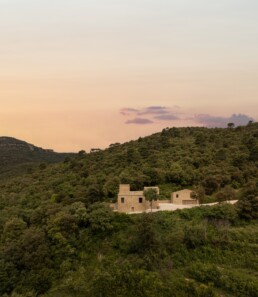
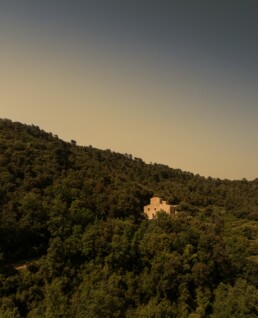
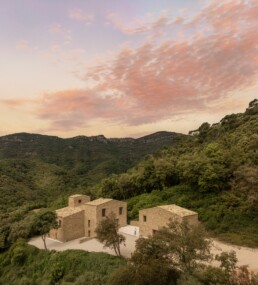
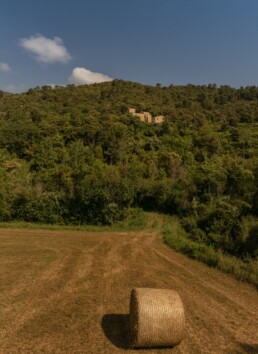
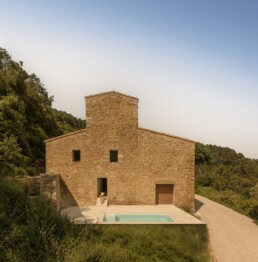
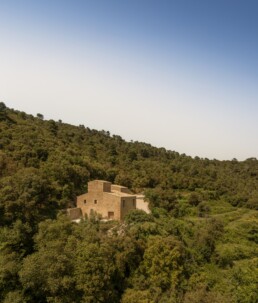
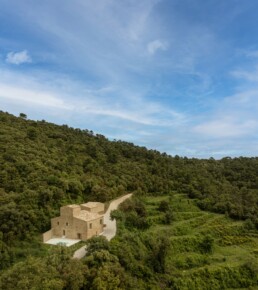
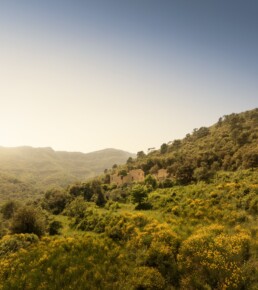
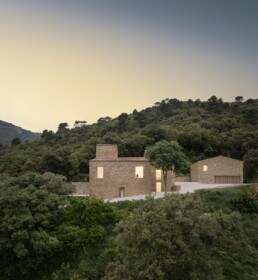
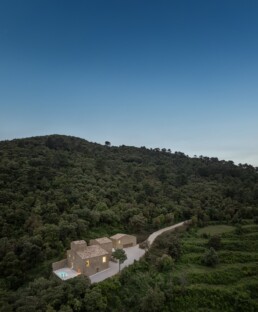
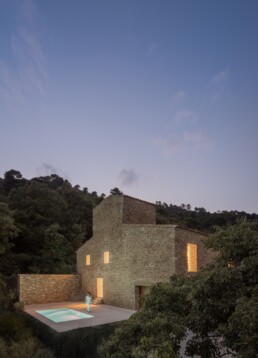
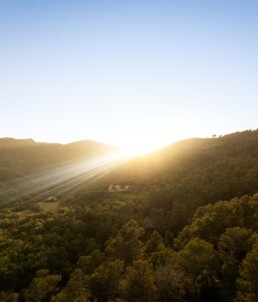
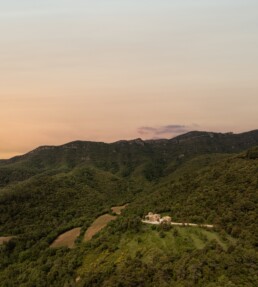
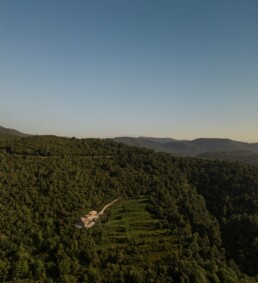
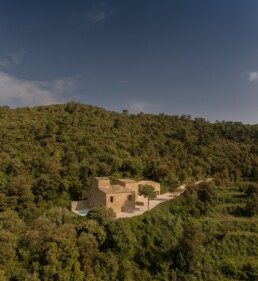
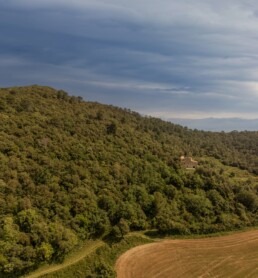
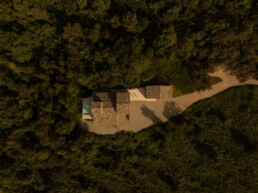
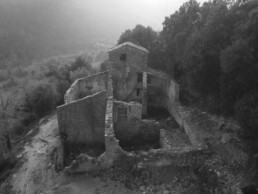
Is it possible to restore a way of life? Can it be done with the same delicacy used to recover an ancient object? This project begins by understanding and then intervening only where necessary. Located in the heart of Serrat de la Cadalt, the commission involves updating an abandoned farmhouse, adapting it to contemporary needs.
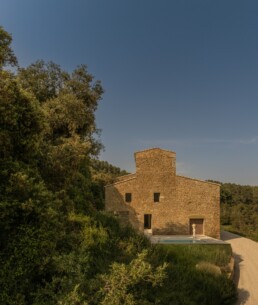
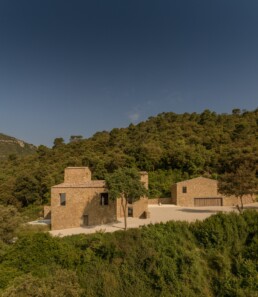
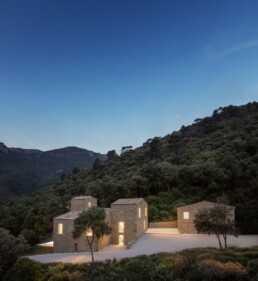
Through a reinterpreted tradition, the original volumetry and typology are preserved, transforming only what is essential. The dimensions of the existing spaces have been respected, aligning each with a part of the new program. The new inhabitants left their life in London to begin a new chapter in Girona, surrounded by trees, calm, and light.
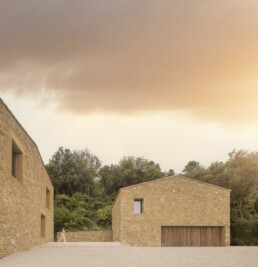
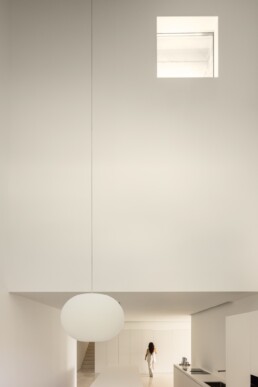
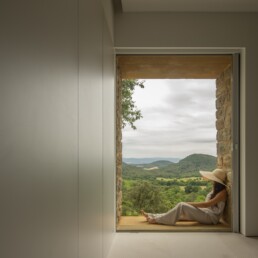
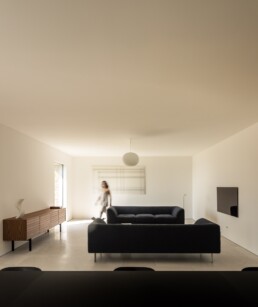
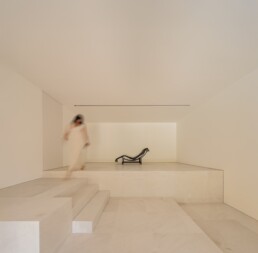
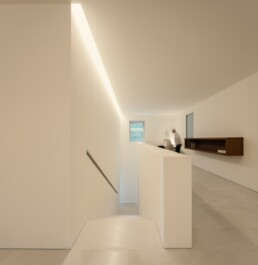
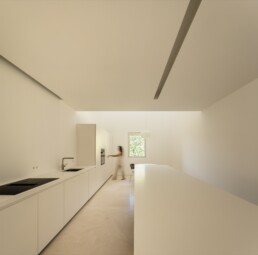
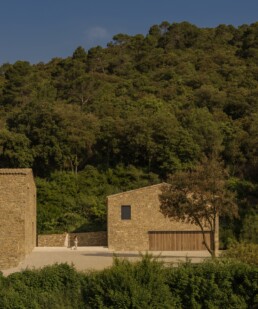
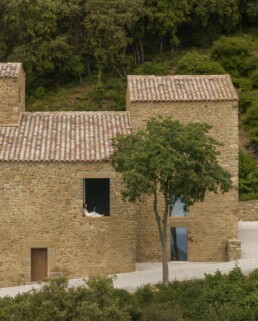
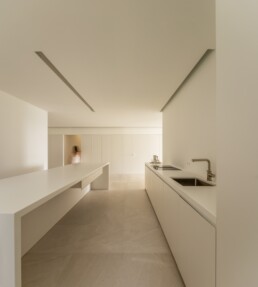
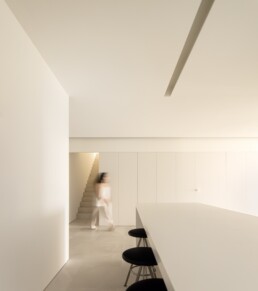
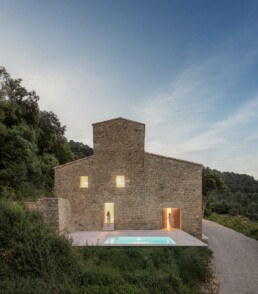
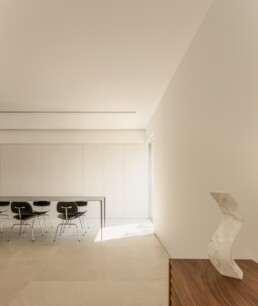
On the main floor are the kitchen—featuring the triple height of the original tower—and the living room, oriented toward views of the Sierra de la Cadalt. The upper level houses two bedrooms, while the lower floor reimagines the former animal quarters as a multipurpose space. The adjacent volume, once used for farming tools, has been converted into a garage with a studio above, from which designer Terence Woodgate directs his work.
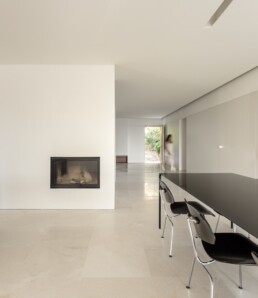
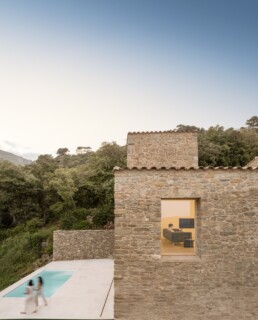
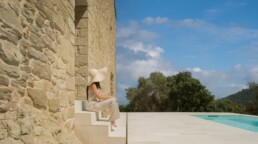
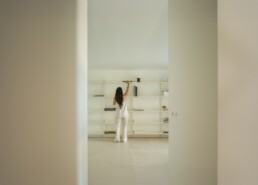
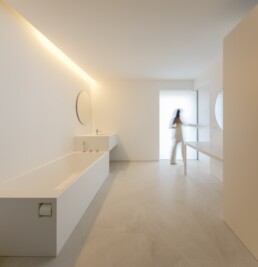
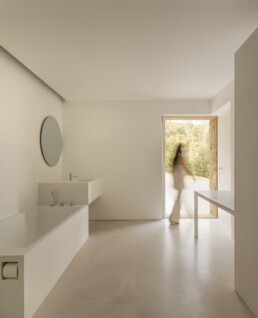
The traditional construction system of these Catalan farmhouses relies on irregular limestone masonry load-bearing walls bound with lime mortar. In the current intervention, after reconstructing and repairing these walls, a cork-based thermal insulation layer was added to improve energy performance. Inside, a secondary skin enhances brightness, facilitates maintenance, and discreetly integrates all necessary installations for contemporary living. The flooring maintains material coherence throughout the intervention.
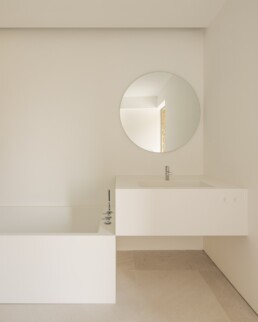
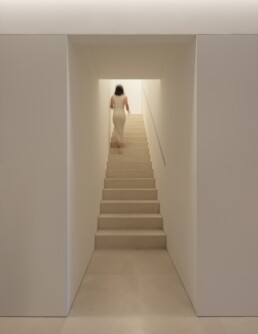
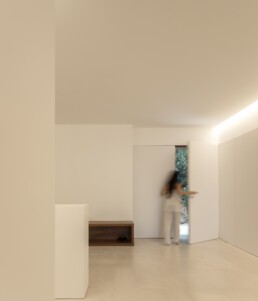
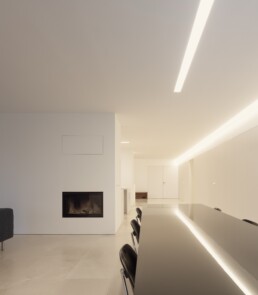
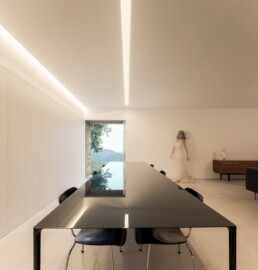
The interior has been conceived as a space suspended between architecture and product design. Electrical outlets are flush with the walls, construction elements meet at a single point, and every decision seeks honesty with the time in which the intervention was made, creating a precise dialogue between the existing and the contemporary.
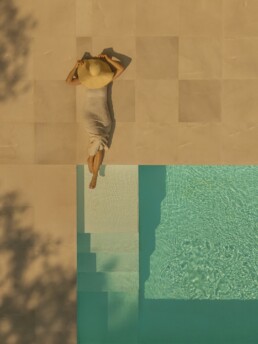
The house is fully self-sufficient in terms of energy and water. Thanks to the installation of photovoltaic panels with batteries and a system of custom-designed cisterns, it achieves a high degree of autonomy. One of the cisterns has been transformed into a pool for bathing. The surrounding hectares of land, some cultivated, provide more than enough food for the British couple who live in the farmhouse.
It is often said that when someone begins a creative endeavor, their studio is filled with friends and enemies, family, memories, fears, and desires—but if enough time is taken, they all gradually leave, and with luck, the self disappears too.
We like to think that this project emerged from that same spirit: from the natural act of restoring what was worn and adding only what was missing.

ADDRESS
ESPAI ALFARO
AV. ESCULTOR ANDREU
ALFARO 13
46110 GODELLA, VALENCIA
SPAIN
CONTACT
INFO@FRANSILVESTREARQUITECTOS.COM
+34 963 81 65 61
FOLLOW US
